Overview
AI video models know the language of film. Name the shot, the lens and the light, and they follow it. Leave it out, and they guess.
Basics of filmmaking teaches that language: framing, camera angles and movement, lenses, light, and sound design. Each one with what it is, when to use it, real examples and the words for your prompt.
What’s inside
- Module 01 · Camera and lightingFraming, camera angles, camera movement, lenses and light: what each one is, and every one of them with the words for your prompt.
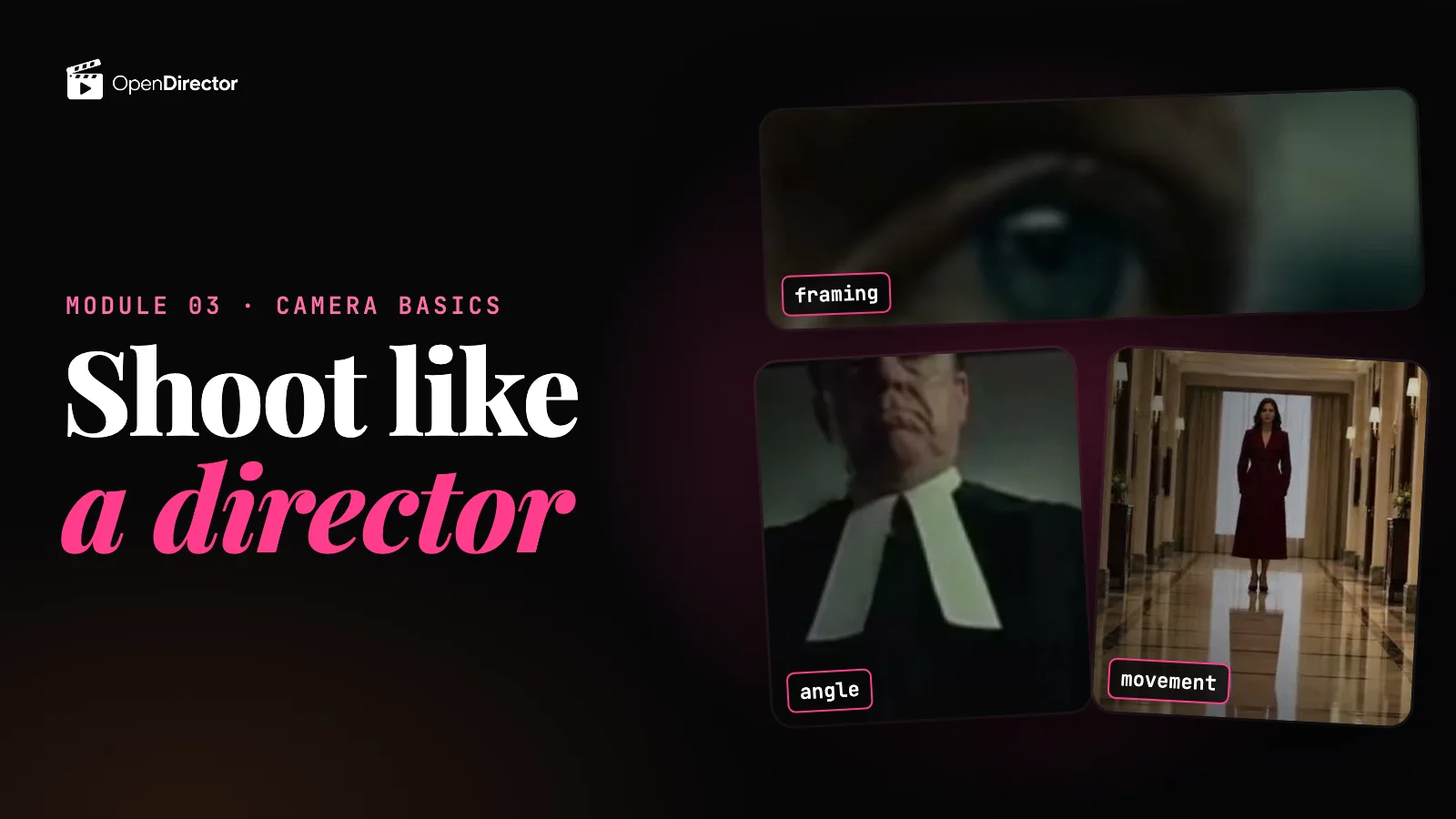 ▶ 3:25Framing, angle and movement Locked
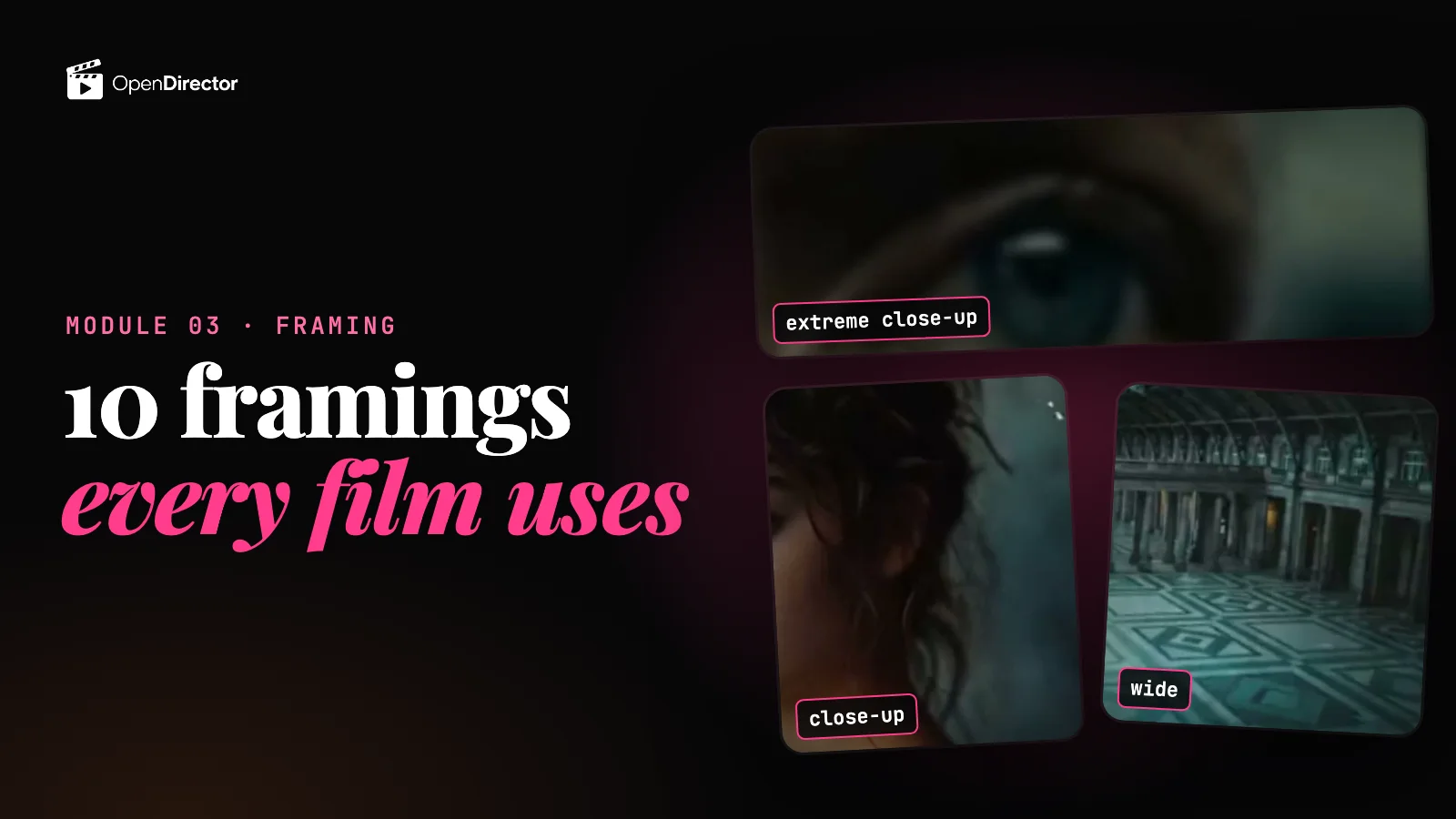 ▶ 1:17Framing and shot sizes Locked
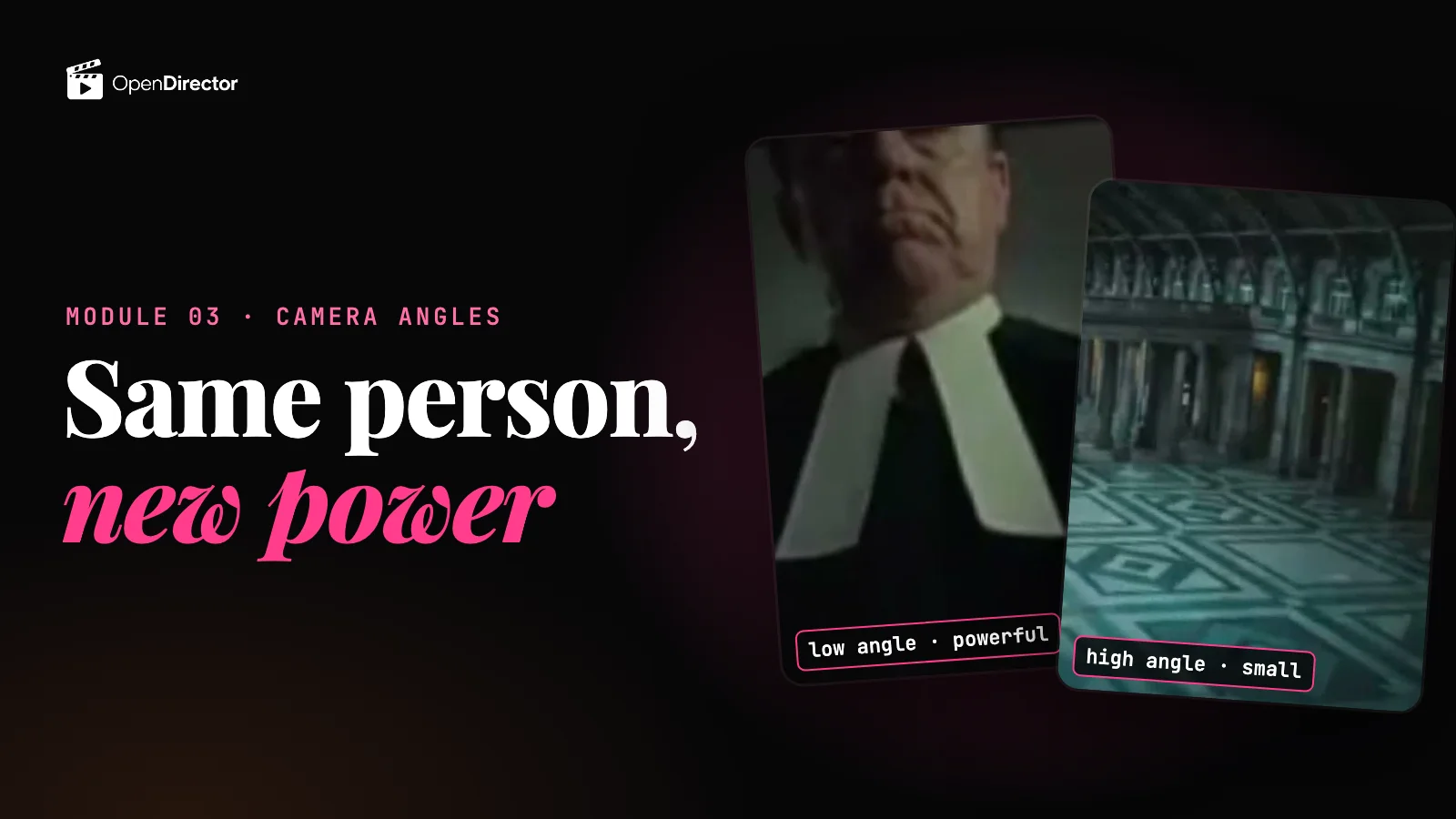 ▶ 1:01Every camera angle Locked
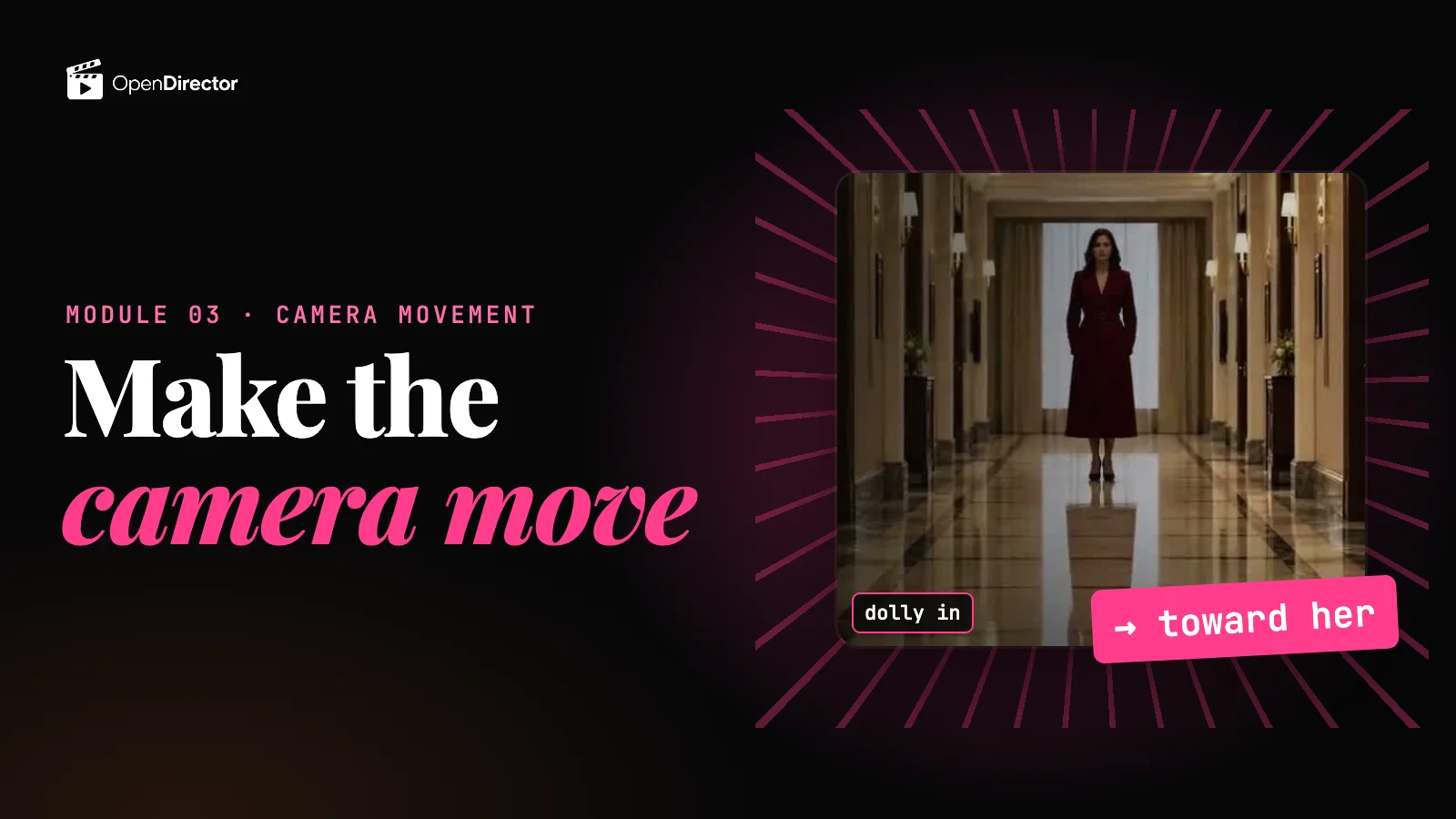 ▶ 1:31Every camera movement Locked
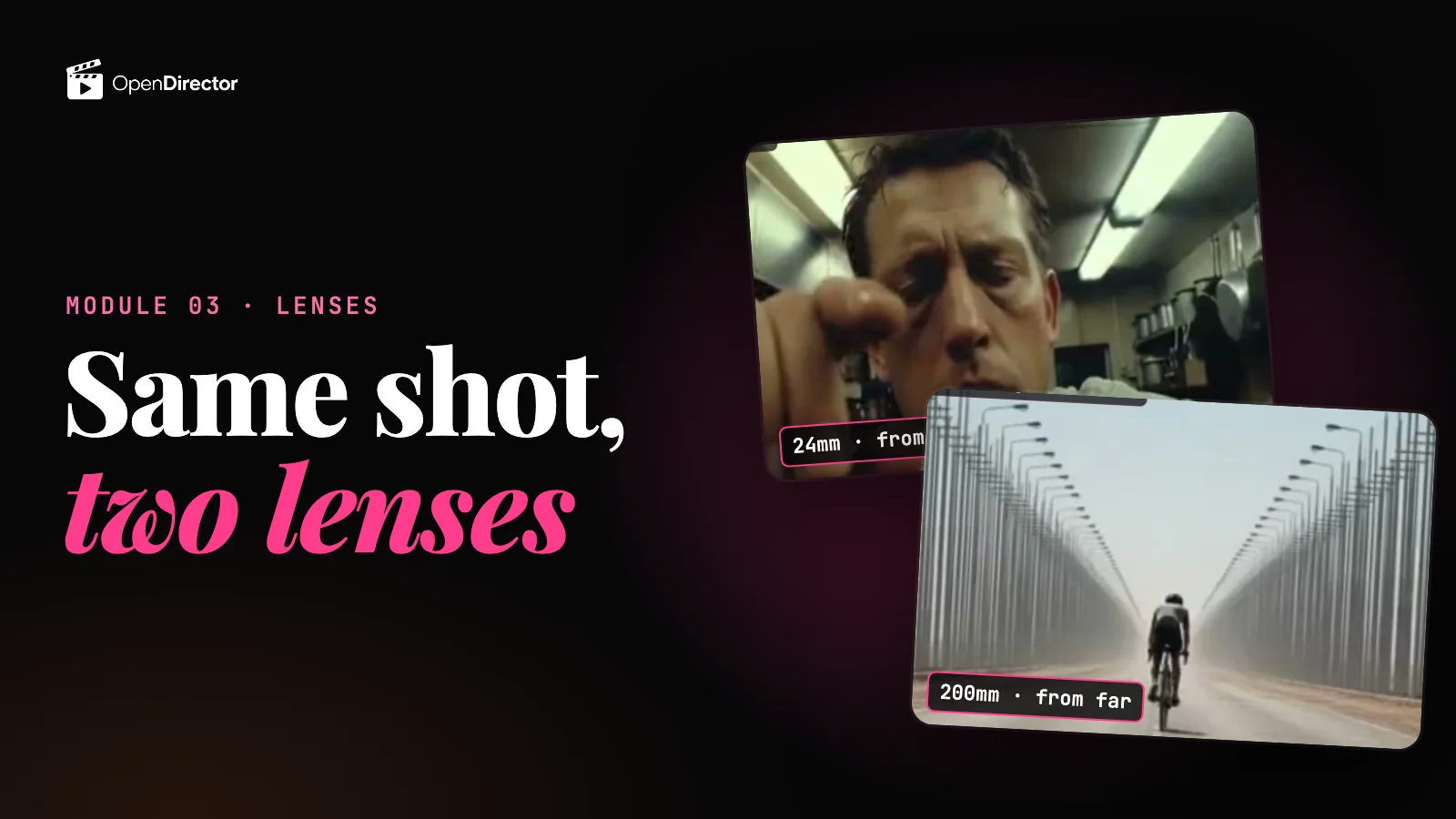 ▶ 2:56Lenses and focal length Locked
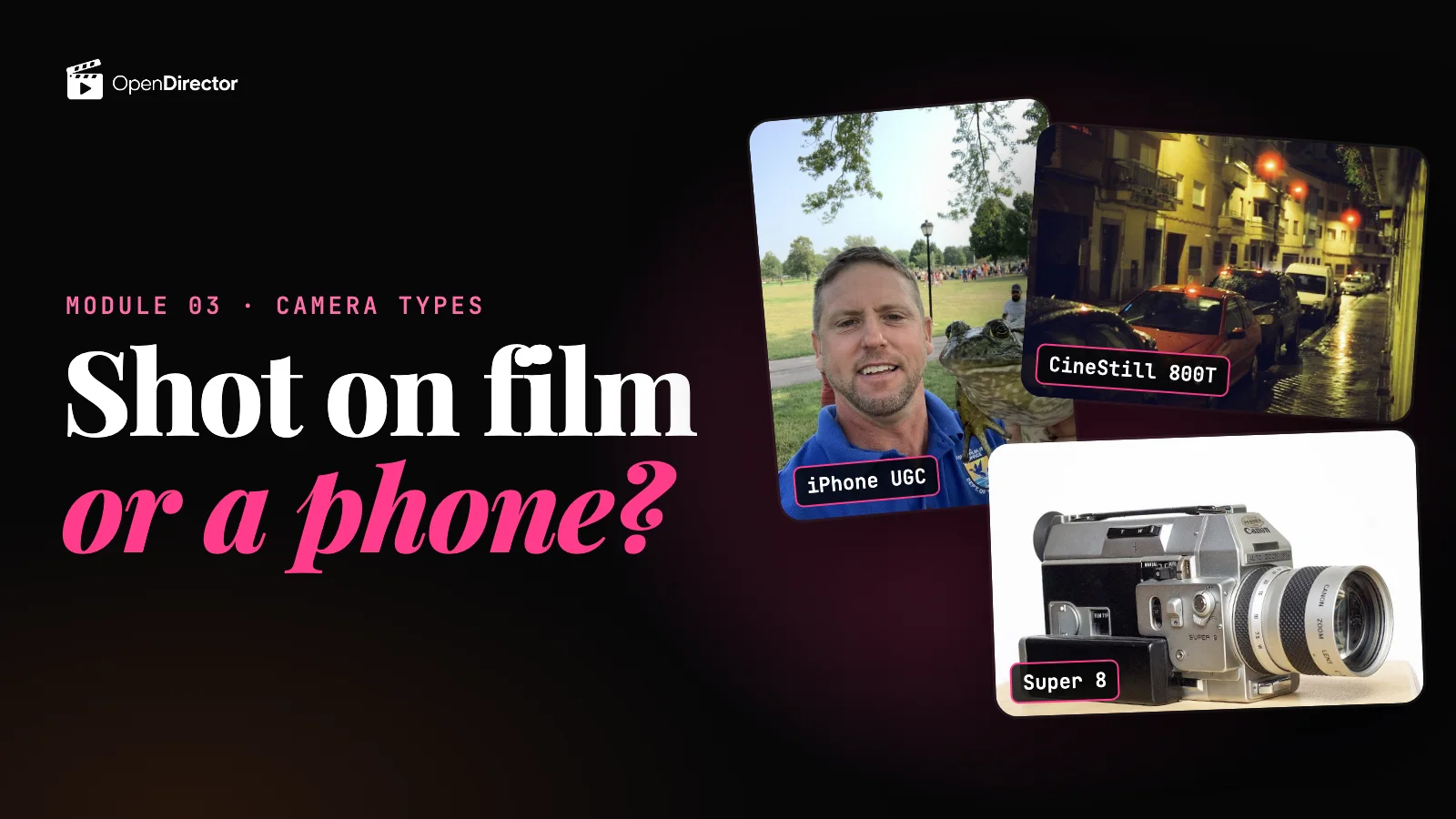 ReadCamera types Locked
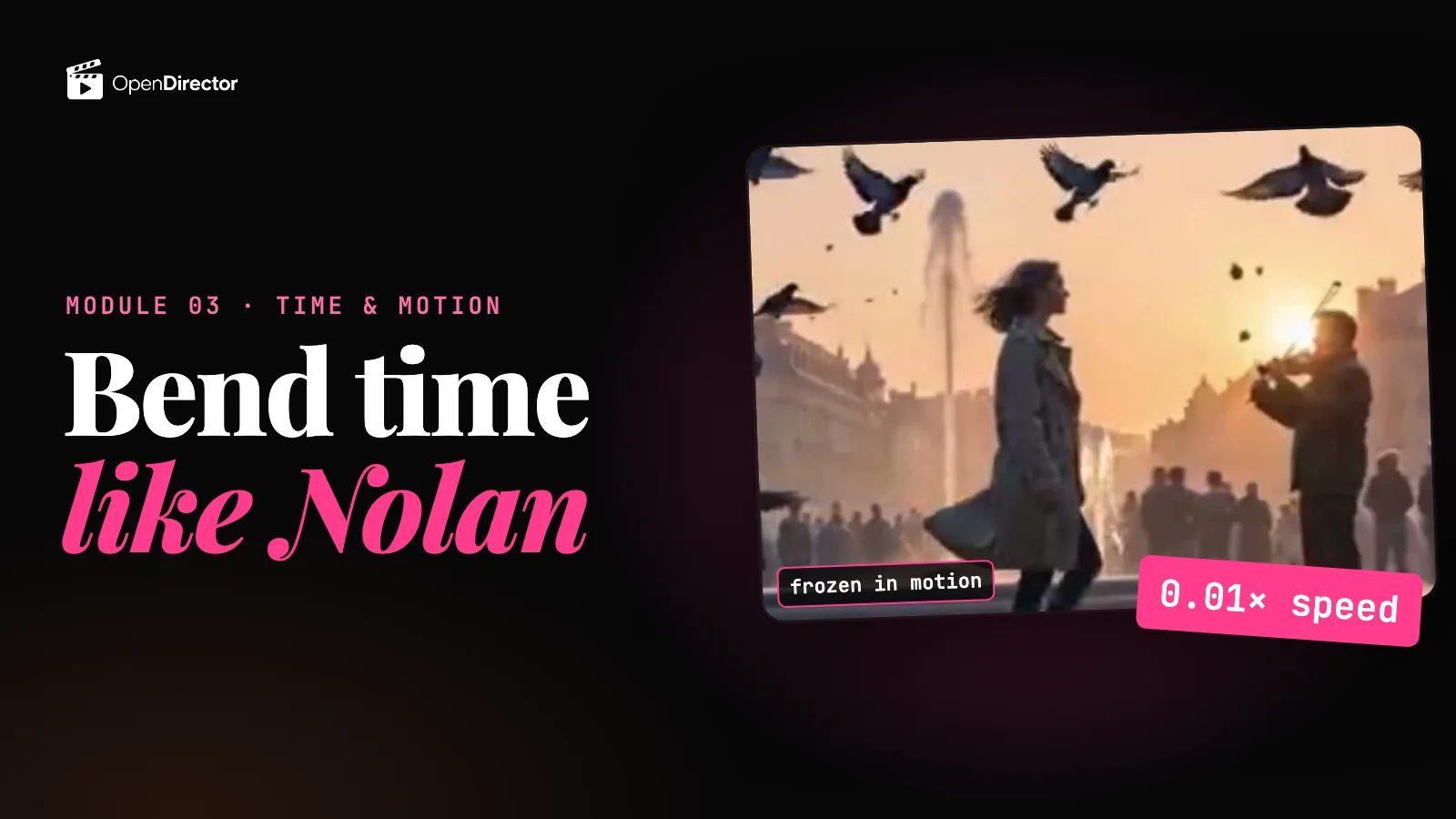 ▶ 3:06Time and motion Locked
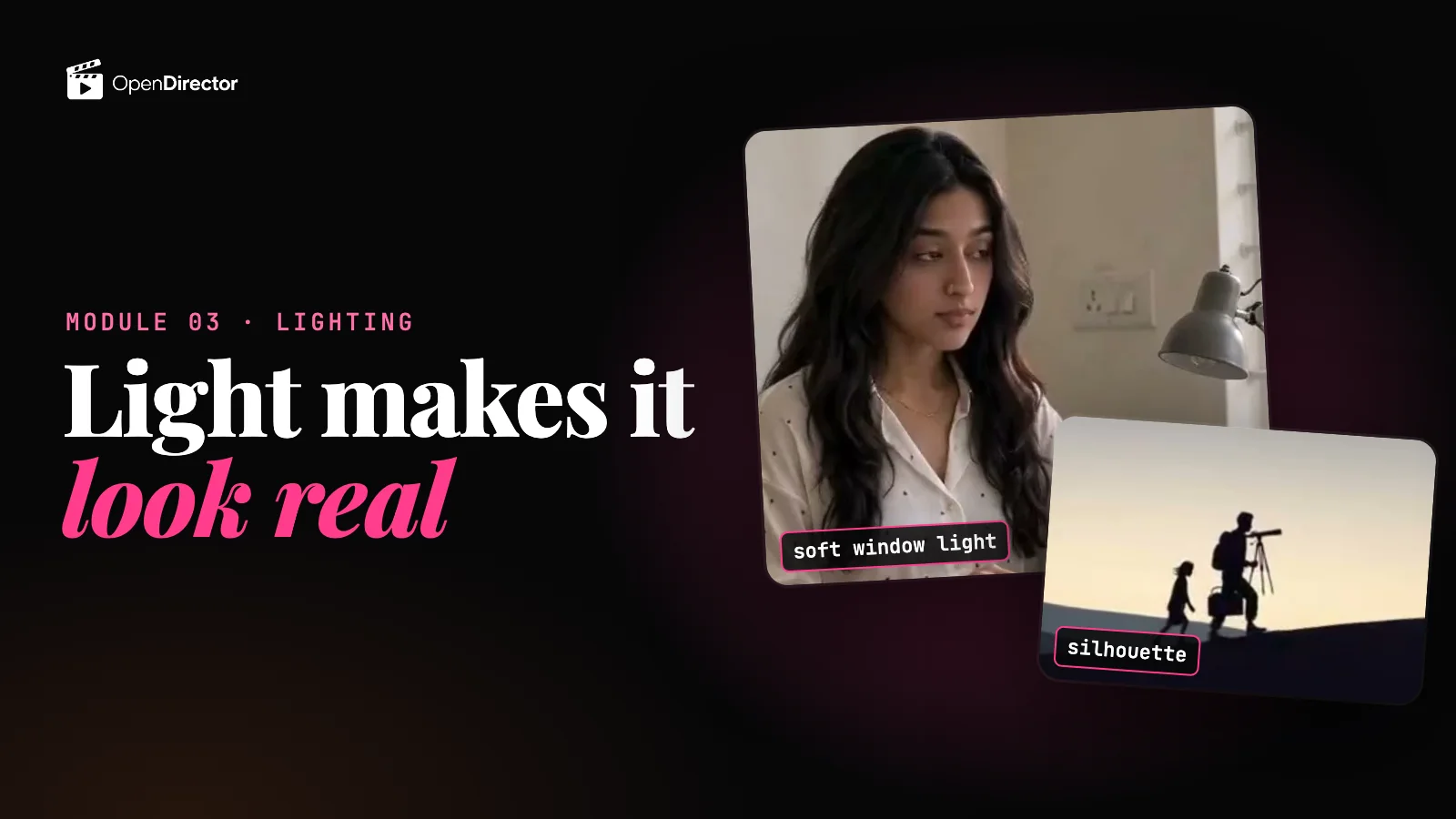 ▶ 3:00Lighting Locked
- Module 02 · Sound designSound effects, music, voices and the mix: what each one does, how to think about it, and how to make it sound finished.
 ReadSound effects and music Locked
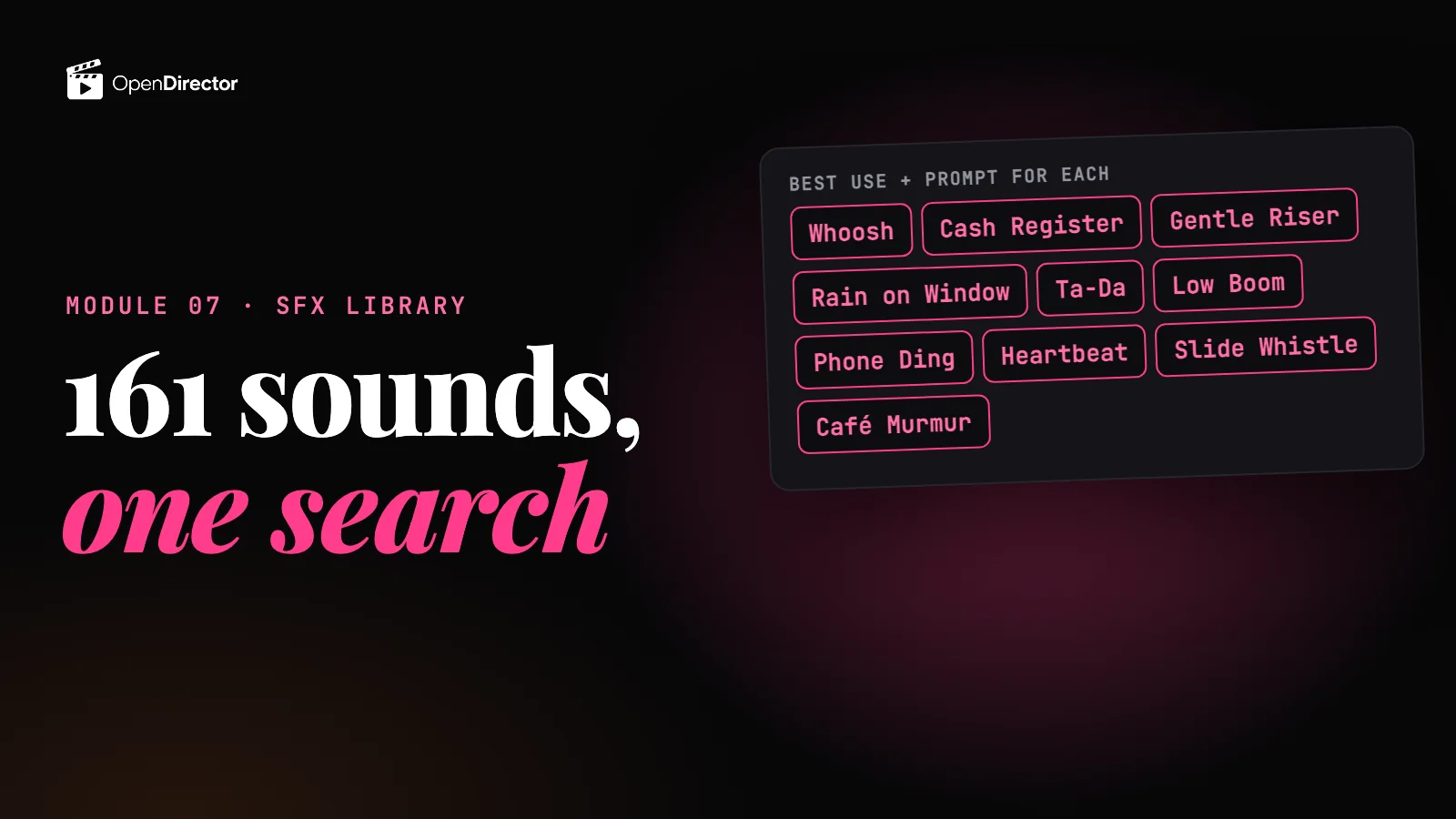 ReadSound effects library Locked
 ReadRemove background noise Locked
 ReadSeparate vocals Locked
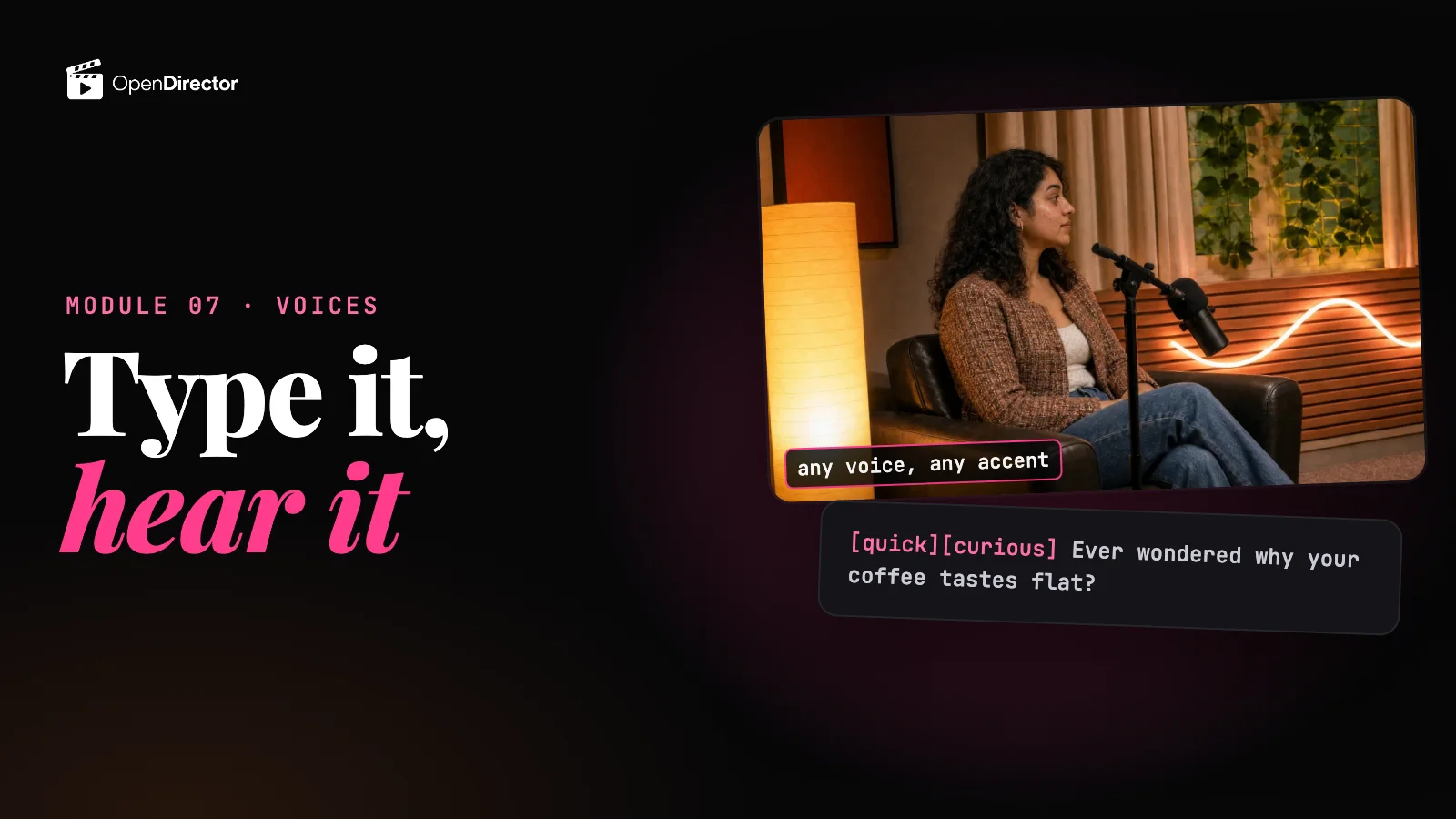 ReadText-to-speech and voice change Locked
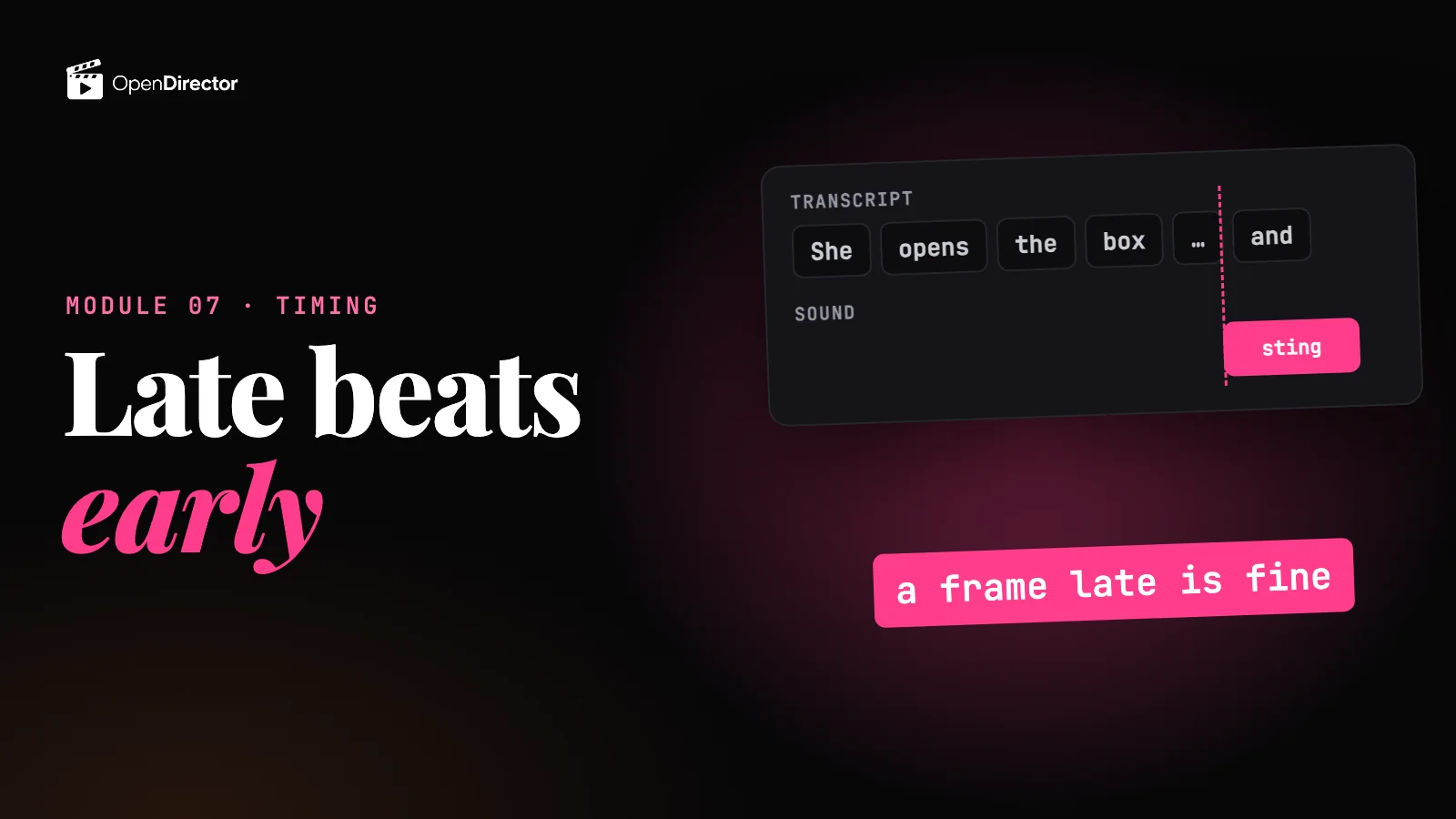 ReadTime sounds with a transcript Locked
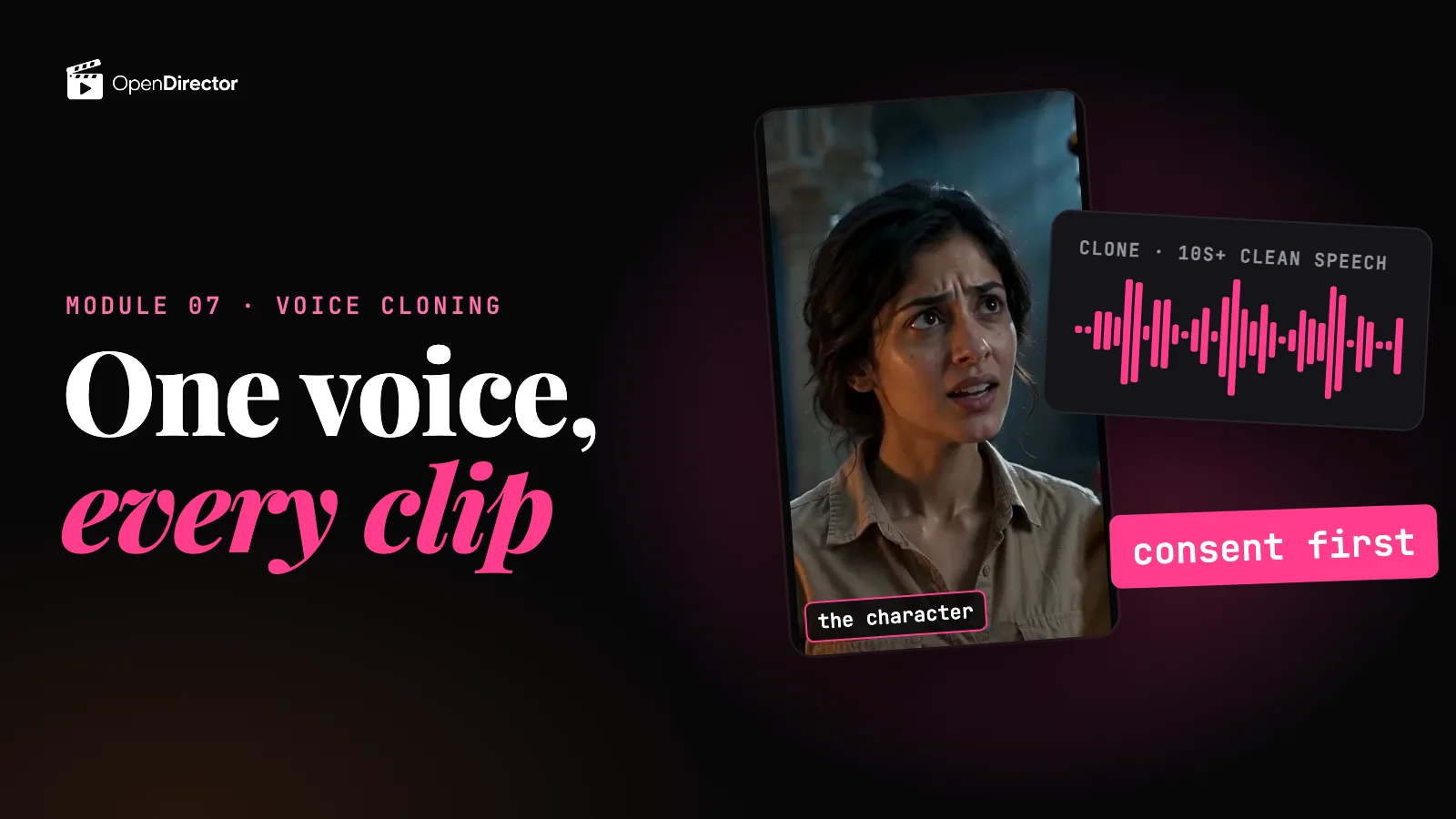 ReadVoice cloning Locked
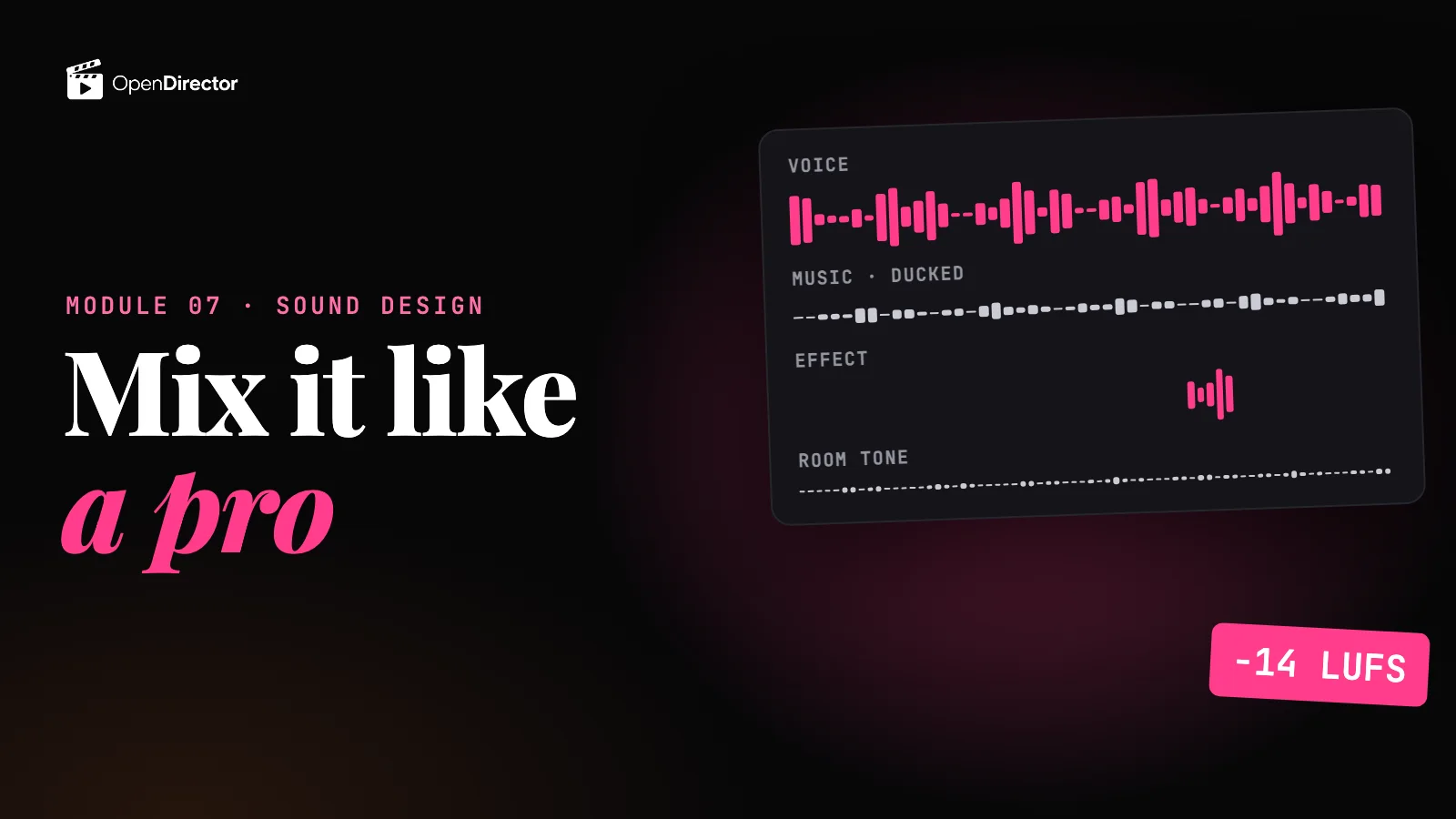 ReadMix voice, music and effects Locked
- Module 03 · Cuts and transitionsHow to join one shot to the next: the kinds of cut, transitions between scenes, and how long to hold each shot.Types of cutsComing soonTransitions between scenesComing soonPacing: how long to hold a shotComing soon
- Module 04 · Colour gradingMake your clips match and give the film one look: colour correction, colour grading and picking a style.Colour correction vs colour gradingComing soonMatch colour across your clipsComing soonPick a look for your filmComing soon
- Module 05 · StorytellingHow a short film holds attention: the hook, the shape of the story and showing instead of telling.The hook: the first three secondsComing soonStory shapes for short videosComing soonShow, don't tellComing soon
Meet your mentor

Vaibhav DusadOpenDirector